Mercury. BroadWorks. Finally programmable.

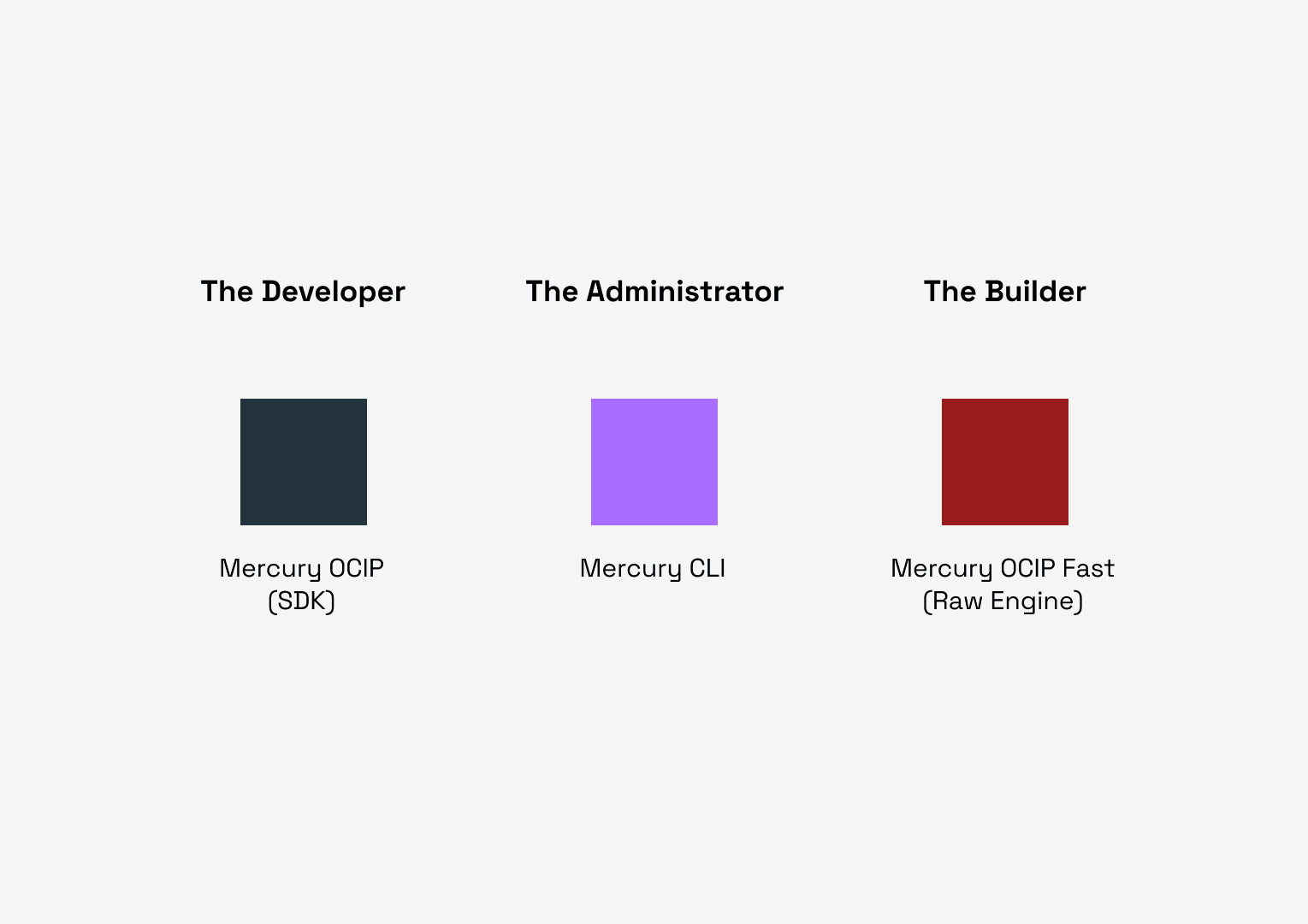
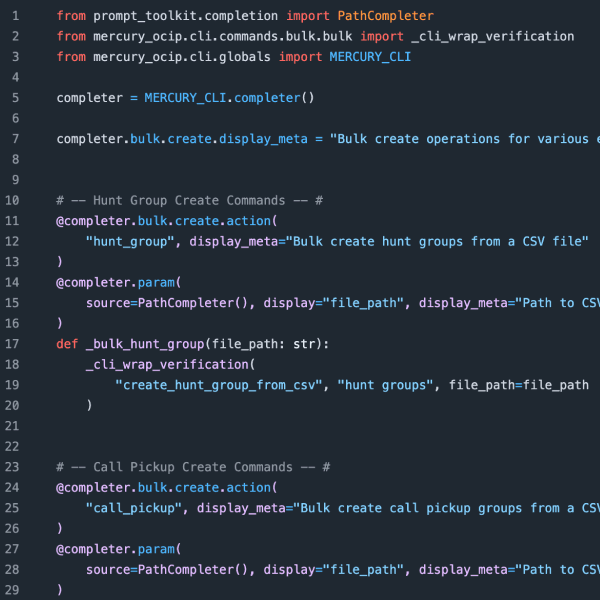
BroadWorks is one of the most widely deployed telephony platforms in the world. It is also, by most accounts, a nightmare to build on top of. Mercury is the abstraction layer that changes that — a Python SDK wrapping the BroadWorks OCIP interface and making the platform programmable in the way it always should have been. What started as a single SDK grew into a three-tier open-source ecosystem shaped by a lesson learned early: handing an SDK to a non-developer and expecting them to run with it doesn't work. So Mercury became three things. The SDK for developers who want to build with BroadWorks programmatically. The CLI for engineers who want automation without writing code. And OCIP Fast — a stripped-down async engine for developers building enterprise-scale applications on top of BroadWorks at speed. Under the hood: Python 3.12, uv for package management, Pydantic classes generated from the raw BroadWorks XML schemas for type safety and performance, and support for both SOAP and TCP connection types simultaneously — something most comparable tools don't offer. Published on PyPI, MIT licensed, actively maintained across 13 releases. The things that weren't possible in BroadWorks before Mercury are now a method call away.
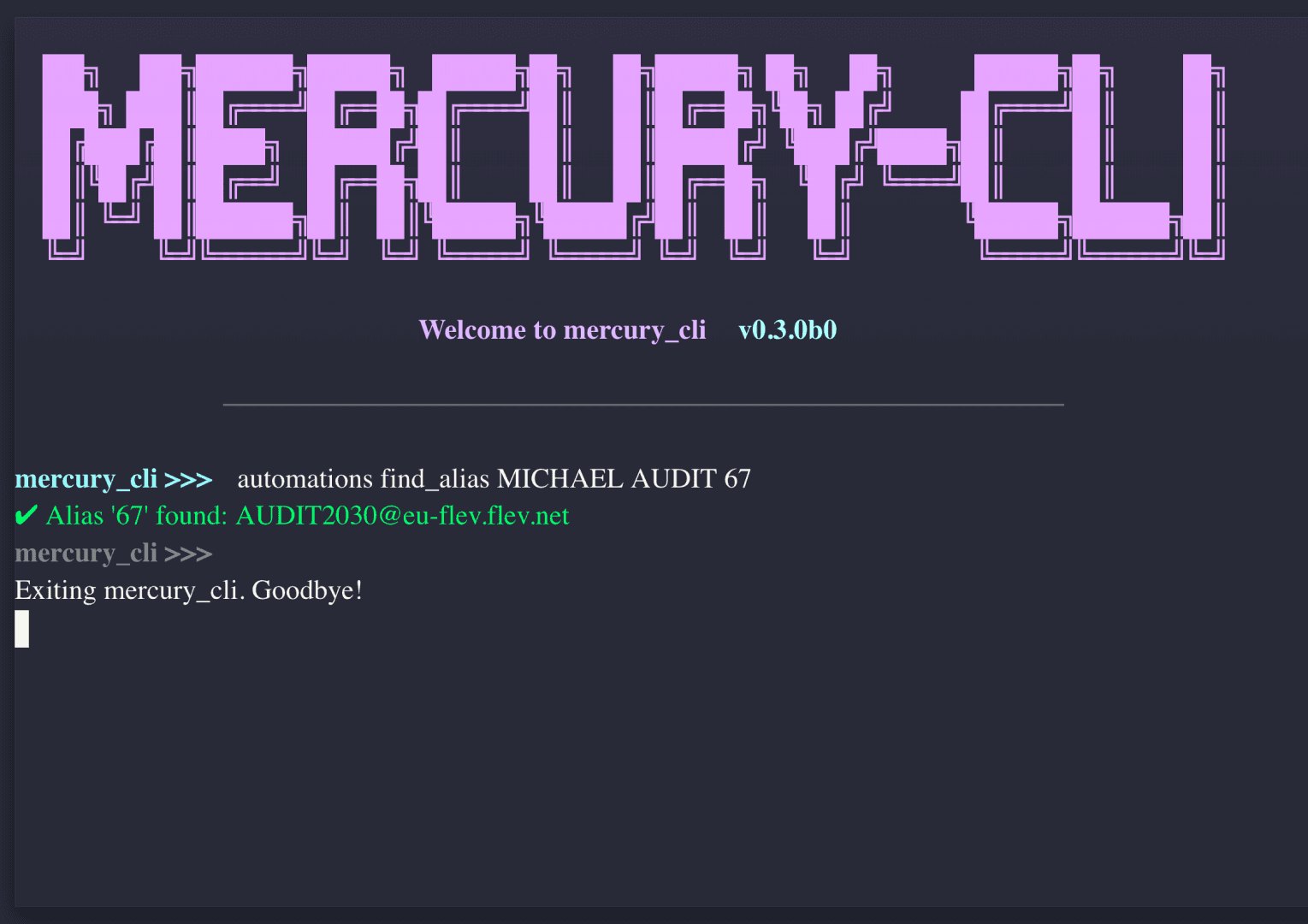
Manual configuration. Hours of it. Completely avoidable. Mercury makes it so.
Releases
13 releases shipped and actively maintained on PyPI as mercury-ocip.

Coverage
Connections
Three tools. Three personas. One ecosystem. BroadWorks finally behaves like a programmable platform.